
FIELD BRIEF
The step your SOP forgot to write down.
Most operating docs are written once, by someone who already knows the context — then handed as-is to an AI agent that doesn't. The fix isn't a longer document. It's writing the why, flagging the judgment calls, and making it as easy to update as it was to write.
A Field Brief is a structured, one-page distillation of a key strategic question. Each brief diagnoses the root cause, maps where the gap shows up, and closes with a concrete next step — designed to be read in under 5 minutes and acted on immediately.
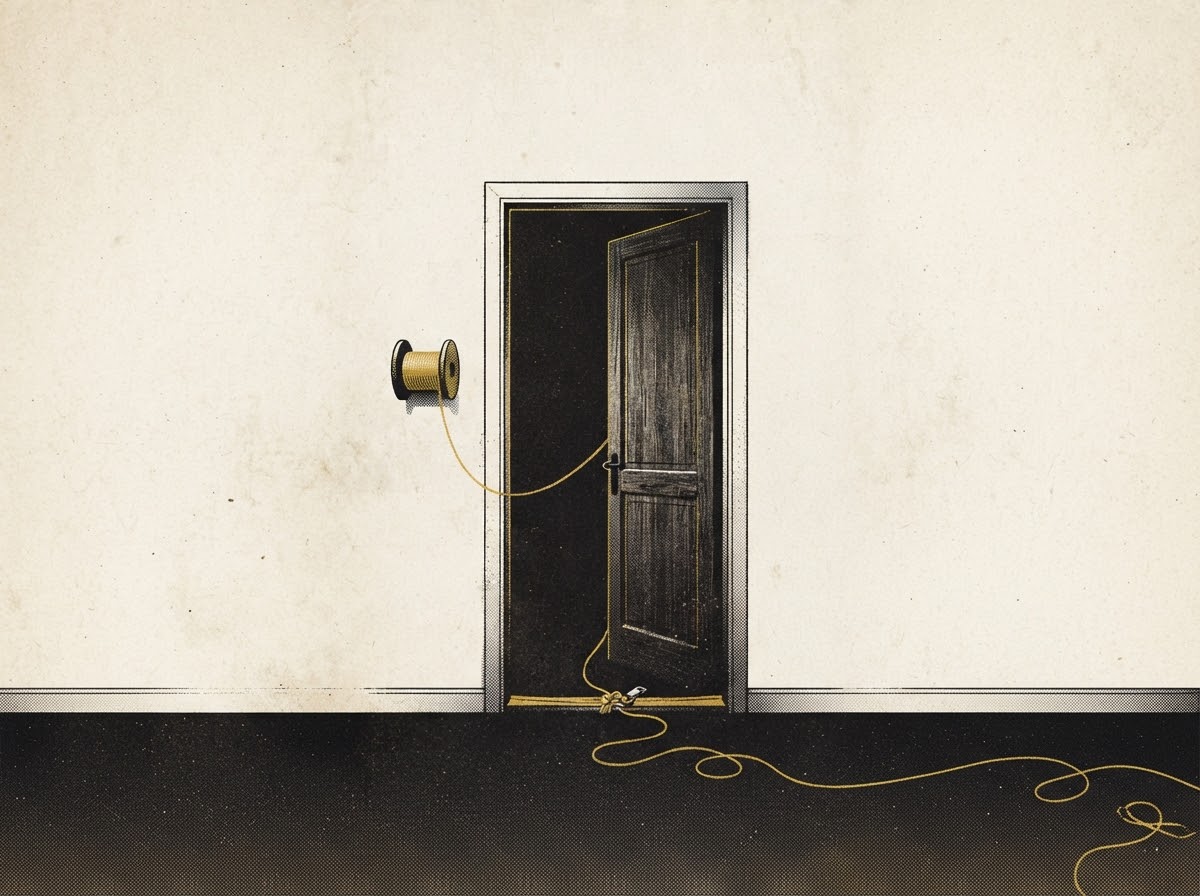
A rigid SOP handed to an AI agent doesn't fail loudly. It does the wrong thing confidently — the same way a rigid guideline handed to a new hire used to.
"Most SOPs are written for the what — the steps. The one that survives contact with an AI agent is written for the why — the reasoning behind them."
Where a rigid SOP breaks — and the four-part fix that keeps it flexible.
Write the reasoning, not just the steps.
A rigid list of steps tells an AI agent what to do. It doesn't tell it what to do when the situation doesn't quite match — which is most situations. A reason gives whoever follows it room to adapt.
Flag the judgment calls, out loud.
Not every step should be followed blindly. Mark the 1-2 steps where a human should decide — explicitly — so neither a new hire nor an AI agent executes them on autopilot.
Make updating as easy as writing.
Use AI in reverse — dictate the change, ask it to update the doc — instead of letting the process drift out of date the way guidelines quietly always do.
Review on a trigger, not a calendar.
Update it when someone new joins or a process breaks — not on a schedule nobody actually keeps. A calendar reminder gets snoozed. A broken process gets noticed.
The Move — write one down.
Pick one task you keep re-explaining. Talk it into your phone, then hand Claude the prompt.
From the field.
Why the 2019 fix finally works — now that AI can read it.
In 2019 I wrote four tips for team continuity — tools, guidelines, logging, open culture. Good advice, hard to keep living up to. AI didn't replace the advice. It made actually following it easier.
We keep our own know-how in Claude Skills instead of a wiki nobody opens — so it stays active in the work, not filed away.
We're investing in a shared AI memory system so the why behind a decision doesn't live in one person's head alone.
The fix was never a longer document. It's one your team — human or AI — can actually keep alive.